The Dream Wedding Magazine: A Template for Stunning Editorial Design
Every designer knows the feeling: a client approaches with a vision for a beautiful, professional publication, but the timeline is tight and the budget for custom layout from scratch just isn't there. This is where a thoughtfully crafted template becomes more than a shortcut—it becomes a foundation for exceptional work. The Dream Wedding Magazine template enters this space not as a rigid, one-size-fits-all solution, but as a versatile and polished starting point that respects both the designer's time and the project's need for a high-end finish.
More Than a Wedding Template
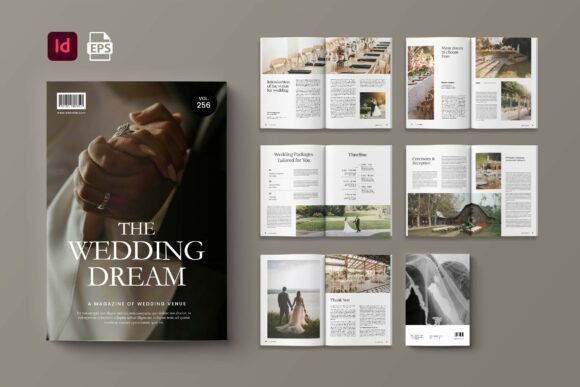
While its name suggests a niche, the true value of this template lies in its adaptability. The clean, modern layout with ample white space and elegant typography is a blank canvas. Imagine it repurposed for a boutique hotel's seasonal lookbook, a yoga studio's wellness journal, a local bakery's recipe catalog, or a tech startup's investor report. The A4 size (21cm x 29.7cm) is a standard that works seamlessly for both digital distribution and professional printing, making it a practical choice for a multitude of projects. The 14 custom pages provide a complete narrative arc—from a compelling front cover to a satisfying back cover—giving any publication immediate structure and flow.
Design Details That Matter
What separates a professional layout from an amateur one often comes down to technical precision. This template delivers on those crucial details. The 300 DPI resolution and CMYK color format are non-negotiables for print-ready work, ensuring colors reproduce accurately and images appear crisp. The 3mm bleed is a professional standard that prevents frustrating white edges after trimming. For a designer or small business owner, not having to set up these specifications from scratch saves significant time and eliminates common errors.
Furthermore, the use of free fonts from sources like DaFont or Google Fonts is a thoughtful inclusion. It keeps the project accessible and budget-friendly while still offering a polished aesthetic. The mention of neatly organized layers and smart layers in the Adobe InDesign file is a promise of efficiency. It means you can dive into customization without wading through a chaotic file, swapping images, adjusting text blocks, and tweaking color schemes with minimal hassle. This organization is a quiet feature that speaks volumes about the template's quality.
From Template to Tangible Brand Asset
The real test of any design asset is how it integrates into a broader creative ecosystem. This is where the template's utility shines. The layout principles it embodies—balanced grids, consistent margins, clear hierarchy—are the same principles that underpin strong brand identity.
- For a Content Creator or Blogger: The template can be transformed into a downloadable PDF lookbook or a digital magazine issue to sell or offer as a subscriber exclusive. The editorial layout helps present photography and text in a way that feels curated and valuable, elevating the perceived quality of the content.
- For a Small Business or Entrepreneur: It becomes a powerful marketing asset. Use it to create a product catalog, a service portfolio, or a seasonal campaign booklet. The professional presentation builds credibility and can help convert prospects by showcasing offerings in an engaging, magazine-style format rather than a plain price list.
- For a Designer or Agency: It's a rapid prototyping tool. When pitching a new editorial or publishing client, you can quickly mock up a sample publication using the template to visualize the concept, making your pitch more tangible and compelling.
- For Event Planners or Crafters: The template can be customized for event programs, wedding portfolios, or artisan product guides. The elegant style is perfect for occasions where aesthetics are paramount.
Practical Tips for Customization
To make the template truly your own, consider these actionable steps:
- Define Your Color Palette First: Before you start editing, establish a cohesive color scheme that aligns with your brand or project theme. Swapping the default colors in the InDesign file will instantly transform the mood of the entire document.
- Choose Typography with Purpose: While the template includes font suggestions, take a moment to consider if they fully match your voice. The pairing of a serif and sans-serif font is classic for a reason—it balances tradition with modernity. Test your chosen fonts for readability at both headline and body copy sizes.
- Curate Your Imagery: The note that preview images are not included is standard, but it's a crucial reminder. Your own high-quality, consistent photography will be the soul of the publication. Plan your image style—whether it's bright and airy or moody and dramatic—to complement the layout.
- Think Beyond the PDF: The design doesn't have to live only as a downloadable file. Consider extracting specific page layouts or elements to use as social media graphics, website hero images, or presentation slides. This approach extends the value of your investment significantly.
In a world where visual noise is constant, having a tool that facilitates clear, beautiful communication is invaluable. The Dream Wedding Magazine template provides that foundation. It’s not about using a pre-made design as-is, but about leveraging a professionally structured framework to tell your story more effectively. Whether you're showcasing products, sharing knowledge, or building a brand, starting with a clean, editable, and technically sound template allows you to focus your energy on the content and strategy that will truly connect with your audience.